
Credit card debt can grow quickly if you only pay the minimum or miss a due date. Interest is high, fees add up, and the bill keeps rising. The goal is simple. Bring the balance down fast, avoid late fees, and protect your credit score. Here is a clear, India-focused plan you can start today.
Stop Interest From Growing Further
- Pay more than the minimum.
Minimum payment keeps the account active, but the balance remains. Try to pay the full bill. If that is not possible, pay as much extra as you can. - Pause new spending on the card.
Use UPI or debit for day-to-day expenses till your dues are reduced. New swipes slow your progress. - Turn on auto pay
Set auto debit for at least the statement amount to avoid late fees and protect your repayment history.
Choose a Payoff Strategy That You Can Stick To
- Avalanche method
List all cards and allocate extra money to the card with the highest interest rate first. Keep the minimums on the rest. This saves the most money. - Snowball method
Close the smallest balance first for a quick win, then move to the next. This keeps motivation high.
Pick one and stay consistent for a few months.
Reduce Interest With Bank Options
- Convert large spends to EMI.
Banks allow you to convert past transactions to EMIs at a lower rate than revolving interest. Ask customer care for available plans. - Balance transfer to a lower rate card
Shift part or all of the outstanding to a card offering a lower promotional rate. Check processing fees and tenure so the savings are real. - Low-rate personal loan
If your loan rate is much lower than the card’s interest rate, a single personal loan can pay off the card balance in one go. Pay the loan on time and make small prepayments when possible.
Avoid Actions That Hurt Your Credit Score
- Do not miss the due date.
Late payments affect your score and add charges. Even if money is tight, pay before the due date and add another part payment a few days later. - Do not withdraw cash on a credit card.
Cash advances attract a fee and interest from day one. - Avoid settlement
Paying less than the full amount and taking a settlement mark will reduce your score and make you more visible to lenders. Try a structured plan with the bank instead.
Talk To Your Bank Early
If you are facing a short-term crunch, reach out before the account turns overdue.
- Request a one-time fee reversal if your track record is clean.
- Request EMI conversion for large spends.
- Seek a short payment plan without penalties. Banks often help when you are proactive and transparent about your plan.
Boost Cash Flow To Pay Faster
- Use a bonus, incentives, or tax refunds for a lump sum payment.
- Sell unused gadgets or appliances for quick cash.
- Cut optional spending for two to three billing cycles.
- Add a small side income and route it fully to debt payoff. These short-term pushes reduce interest and shorten the payoff time.
Keep Your Credit Score Safe During Payoff
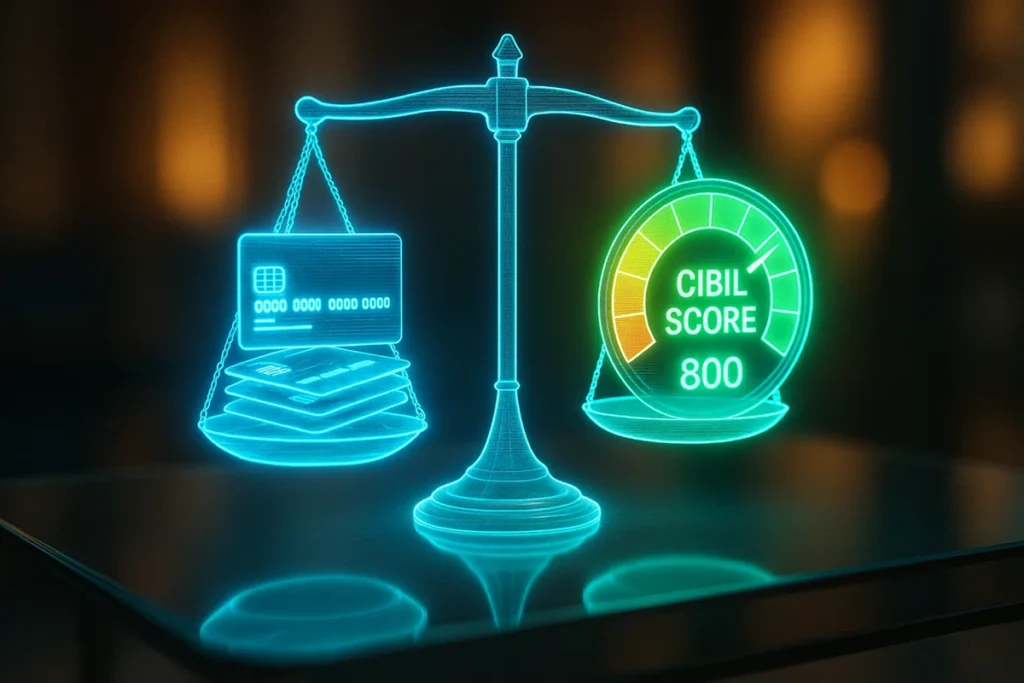
- Keep utilisation under 30 percent.
If your limit is 1 lakh, try to keep the statement balance under 30 thousand. Make a mid-cycle payment to bring the number down before the bill is generated. - Keep old cards open
Put a small spend on older cards and pay in full. This preserves account age and helps your profile. - Avoid fresh applications
Too many enquiries in a short period can lower your score. - Track progress
Use a trusted credit score app to monitor your report and utilization each month.
Check Your Credit Report For Errors
Sometimes the score stays low because the data is wrong.
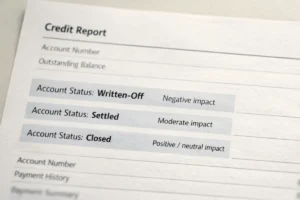
- Download your latest report and check outstanding amounts, late payment marks, and account status.
- If anything is incorrect, raise a dispute with the bureau and email the bank with proofs such as statements or payment receipts.
- Recheck after one reporting cycle to confirm the fix.
A Simple 60 Day Action Plan
Week 1 to 2
- Stop new spending.
- Choose avalanche or snowball and make the first extra payment.
- Turn on auto pay and reminders.
Week 3 to 4
- Convert significant transactions to EMI or use a balance transfer if it clearly saves money.
- Trim optional expenses and route savings to the card.
Week 5 to 8
- Make a lump-sum payment from the bonus or refunds.
- Keep utilisation below 30 percent.
- Review your credit report and track score movement.
Becoming debt-free is about steady steps and clean habits. You do not need complex strategies, just a clear plan and timely payments.
Bas itna samajh lo. Time par full payment karo, nayi swipe ko control karo, aur balance ko jaldi ghatao. Score safe rahega, stress kam hoga, aur credit life smooth chalegi.