
When money is tight, many borrowers consider loan settlement to close a pending loan or credit card bill. It sounds simple, but it works very differently from full payment. Knowing the impact on your credit report and score can save you from costly mistakes later.
What Does Full Payment Mean
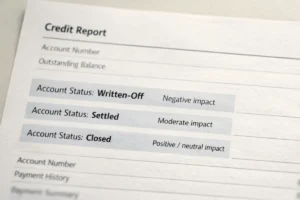
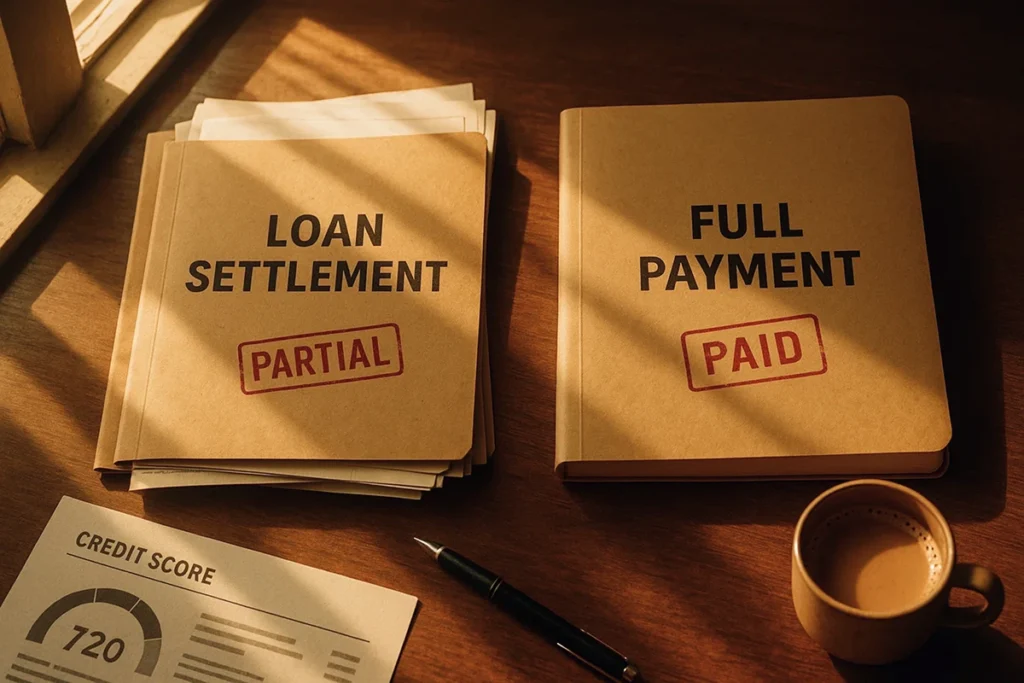
Full payment means you clear the entire outstanding amount, including interest and charges shown by the lender. The account then shows as Closed with zero outstanding in your credit report. This is the cleanest outcome for your profile.
What Does Loan Settlement Mean
Loan settlement means you pay a part of the total due after negotiating with the lender. The lender accepts less than the full amount and marks the account as Settled. You may stop recovery calls, but the Settled remark stays in your report for years and affects future approvals.
Credit Score Impact: Full Payment vs Settlement
- Full payment
- Keeps repayment history clean
- Status becomes Closed
- Supports a healthy score and better loan offers later
- Keeps repayment history clean
- Loan settlement
- Status becomes Settled
- Signals risk to lenders.
- Can reduce score and lead to tougher approvals, higher rates, or requests for extra documents and collateral
- Status becomes Settled
When Do People Consider Settlement
- An extended period of job loss or medical emergency
- Hefty dues with high interest that are hard to manage
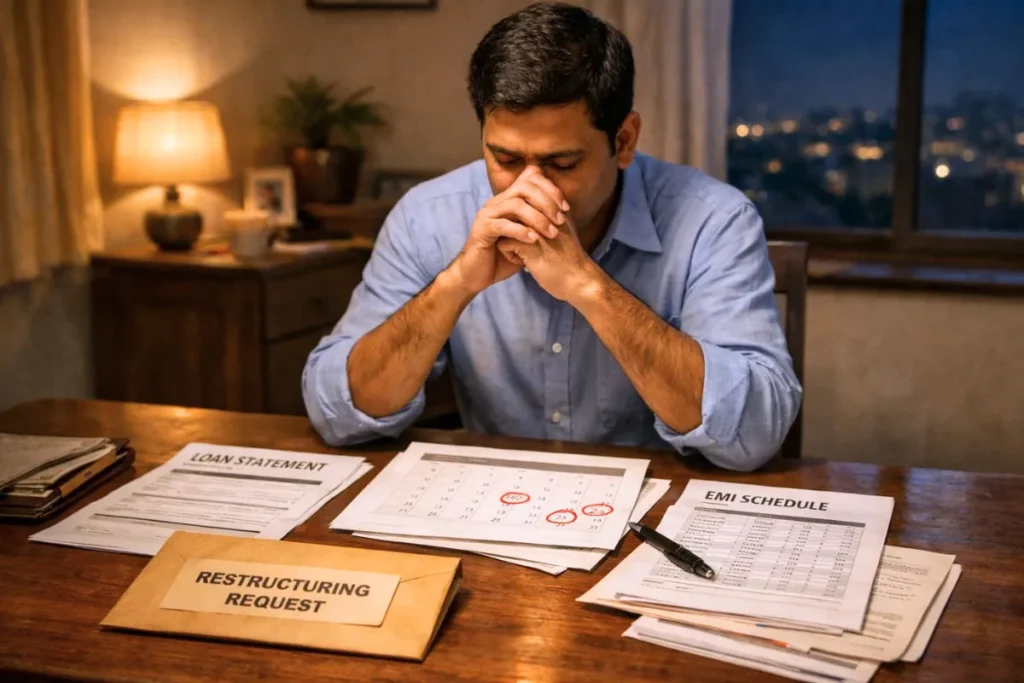
- No access to a lower-rate loan or family support. Settlement is a last resort. Use it only when there is no other workable path, and document every communication with the bank.
Better Alternatives Before You Settle
- Convert to EMI
Ask the lender to convert hefty card dues or outstanding amounts into EMIs at a lower rate. - Balance transfer
Move the dues to another bank that offers a lower interest rate for a limited period. Check processing fees to confirm real savings. - Top up or refinance
If your track record is decent, a top-up on an existing secured loan can help clear costlier debt. - Part prepayment plan
Negotiate a schedule of larger but manageable monthly payments to bring the balance down without a negative remark. - One-time waiver of fees
If your history is good, ask the bank to waive late fees or interest reversal for a one-time delay.
How Lenders Read These Two Outcomes
Underwriters do not see settlement as a win. A Settled tag indicates the borrower could not meet their full obligations. Even if your score recovers over time, the remark can raise questions during manual review.
With full payment, the track record looks stable. Lenders prefer borrowers who close loans cleanly and on time.
If You Must Settle, Do It Safely
- Get a written offer on bank letterhead with the final payable amount and account details.
- Pay only through official channels and keep receipts.
- After payment, ask for a No Dues Certificate.
- Check your credit report after one cycle to ensure the status is updated correctly.
- Be prepared for tighter lending terms for the foreseeable future.
How to Rebuild After a Tough Phase
If you have already settled in the past, focus on fresh, clean behaviour.
- Pay all EMIs and card bills on time for the next 12 months.
- Keep card usage below 30 percent.
- Avoid new applications for a few months.
- Maintain older accounts with small spends paid in full.
- Track progress regularly using a trusted platform to improve your credit score.
Quick Decision Guide
- Choose full payment if you can arrange funds or restructure the dues. Your future self will thank you.
- Consider settlement only when there is no other option and you need to stop collections during a genuine crisis.
FAQs
Will the settlement remove recovery calls forever?
Usually, yes, once closed as per the settlement letter. Keep all proof safe.
Can a settled account become closed later?
Only if you pay the remaining amount and the lender agrees to update the status. Always take confirmation in writing.
How long does a settled status affect approvals?
Impact varies by lender, but expect stricter checks for at least 12 to 24 months. Closing a loan cleanly keeps your report healthy and your future options open. Settlement may give short-term relief, but it comes with long-term limits.
Bas itna samajh lo. Pura bill clear karoge to profile clean rahegi. Settlement sirf majboori me karo: time par payment, low usage, aur report pe nazar rakho, credit journey smooth rahegi.