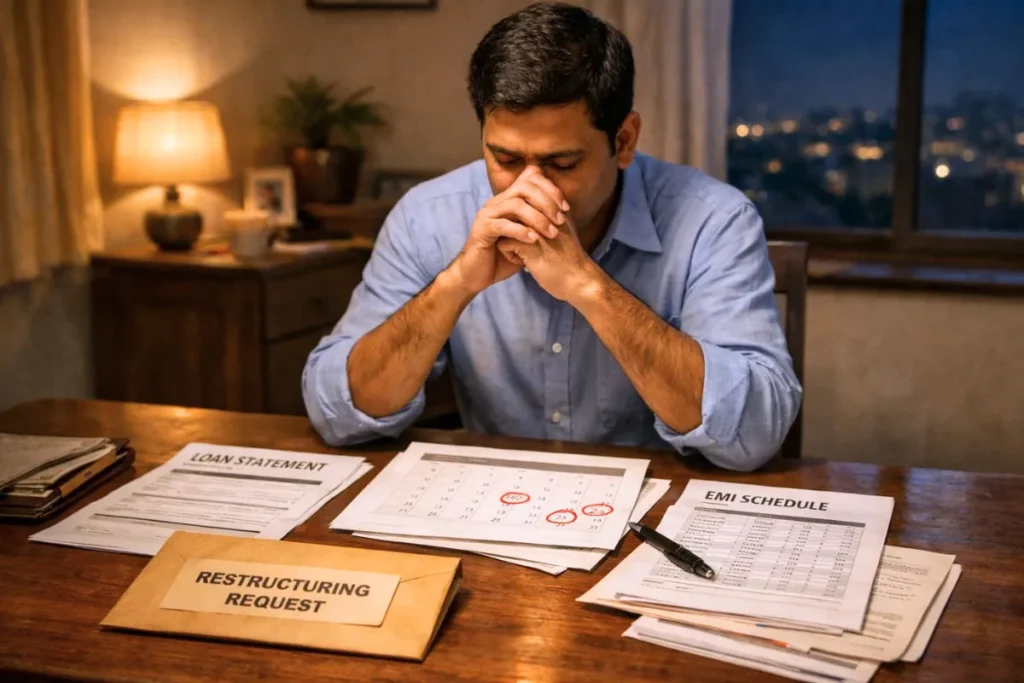

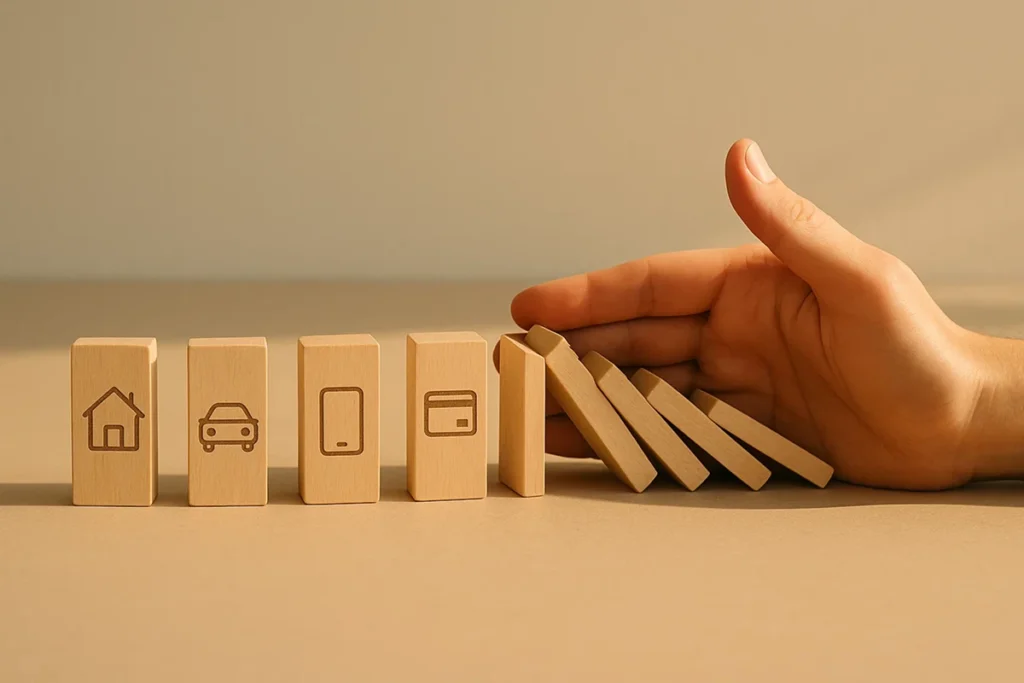
Handling home loan, car loan, personal loan, and credit card bills together can feel heavy. The trick is to plan cash flow, reduce interest wherever possible, and keep your credit profile clean. With a few simple steps, you can manage all EMIs comfortably and avoid falling into a debt trap.
Why Multiple EMIs Feel Stressful
Monthly income is fixed, but repayments fall on different dates. Interest on credit cards is high. Minor delays can lead to penalties and hurt your credit score. A clear plan removes surprises and helps you pay less over time.
Build a One-Page EMI Plan
Write down every EMI with the amount and due date. Add card bills as well. Mark the salary date on the same page so you see gaps.
- Group EMIs into two buckets: before salary credit and after salary credit.
- Keep a small buffer in the account that pays EMIs.
- Set calendar alerts three days before each due date.
Automate Payments and Stay Current
Enable auto-debit for loan and card bills. Keep your salary account funded the day before debit. If cash is tight, make at least a partial payment on the card before the statement date to reduce interest on the remaining balance.
Prioritise Which Dues to Clear First
Credit card interest is the costliest. Clear that in full every month. For other loans, choose a payoff method you can stick to:
- Avalanche method: pay extra on the highest-interest loan first while paying minimums on the others.
- Snowball method: close the smallest balance first for a quick win, then move to the next.
Pick one method and stick with it for a few months.
Cut Interest Cost Without Extra Stress
- Convert big card spends to bank EMIs at a lower rate.
- Consider a balance transfer to a lower rate card if the fees are worth it.
- Ask your bank for a small top-up on a cheaper secured loan to close a high-cost personal loan.
- Make one or two part prepayments in a year on the costliest loan. Even small lump-sum payments cut total interest.
Space Out New Credit
Avoid taking new loans while you are stabilising. Too many applications signal pressure and can reduce your score. If something is unavoidable, increase the down payment to keep EMIs manageable.
Keep Credit Card Usage Low
Try to keep card spending under 30 percent of total limits. If your limit is one lakh, aim to stay monthly usage below 30,000. Pay mid-cycle once to reduce the amount that appears on the statement.
Build a Small Emergency Fund
Unexpected medical bills or repairs can throw a tight budget off track. Keep at least one month of expenses in a separate account. This stops you from swiping credit in a crisis.
Trim Non-Essential Spends For Two Cycles
For the next sixty days, pause online impulse buys, reduce eating out, and cancel unused subscriptions. Route the savings to the costliest EMI. Two lean months can create significant breathing space.
Coordinate With Your Lenders Early
If you see a cash shortfall coming, inform the bank before the due date. Ask for fee reversal for a one-time delay, EMI conversion on large spends, or a short payment plan without penalties. Banks are far more helpful when you reach out early.
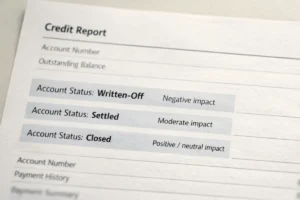
Track Your Credit Health While You Repay
A steady repayment record improves approval chances and can even help you get better rates later. Monitor your report using a reliable credit score app to spot issues early and keep utilisation in control.
Watch Your EMI to Income Ratio
Aim to keep total EMIs within a comfortable share of your take-home pay. If the ratio is high, consider extending tenure on a low-rate loan to reduce monthly outgo, then prepay when cash improves. Lower monthly pressure reduces the risk of missing due dates.
Avoid BNPL Stacking
Buy now, pay later looks small, but many small dues mess up cash flow. Keep only one active BNPL line if you must, and treat it like an EMI.
A Simple Monthly Routine
- Day salary arrives: move savings first, then fund the EMI account.
- Mid-month: review spends, make a small card payment to lower utilisation.
- Last week: check next month’s due dates, set alerts, and top up the EMI account if needed.
Managing multiple EMIs is mostly about timing, discipline, and small savings on interest. When you keep payments on time and cut costly debt first, stress comes down, and your credit profile stays strong.
Bas itna samajh lo. Time par payment rakho, card usage kam rakho, aur do mahine thoda tight budget chalao: debt trap se bacho, EMI plan smooth chalta rahega, aur credit score bhi stable rahega.