
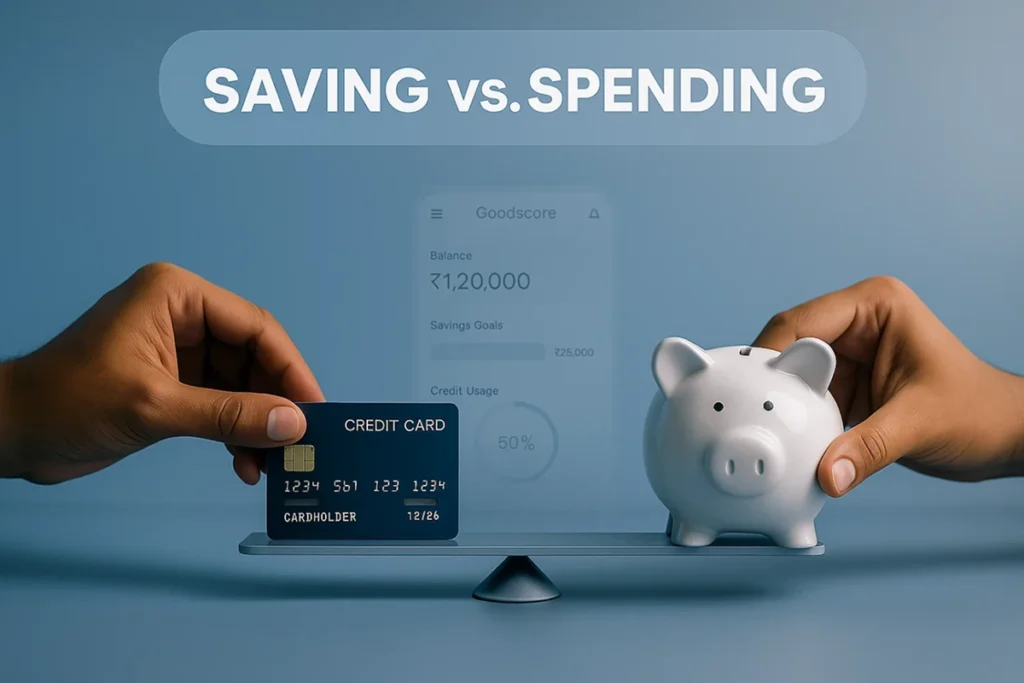
Credit cards can make life easier, but they can also disturb your savings if not handled wisely. For many Indian households, the right balance between using a credit card and maintaining regular savings can decide whether the month ends comfortably or with stress. With a few simple habits, you can enjoy the benefits of credit cards without hurting your bank balance.
Why Balance Matters
Credit cards give flexibility, rewards, and short-term cash flow support. Savings give stability, security, and long-term confidence. When both work together, your financial life becomes smoother. But if one side goes off track, like overspending on the card or ignoring savings, money pressure starts to build.
Understand Your Spending Pattern
Start by knowing where your money goes each month. Essential expenses like groceries, transport, school fees, and EMIs must be covered first. Lifestyle expenses such as dining out, shopping, or entertainment should be handled only after you’ve set aside a savings amount. This clarity prevents random overspending on your card.
Fix a Monthly Credit Card Limit
Treat your credit card like a controlled tool. Set a personal spending cap below your card’s actual limit. Many users keep card usage below 30 percent of their limit to maintain a good credit score and avoid unnecessary bills. Spend only what you can repay in full.
Save First, Spend Later
Before using your credit card, lock in your savings. Keep a fixed amount aside every month for an emergency fund, future goals, or investments. When savings are secured early, you can use the credit card without guilt because you already know your responsibilities are covered.
Always Pay the Full Card Bill
Paying only the minimum amount may look easy, but it adds heavy interest and pulls you into debt. Clear the full bill every month. This keeps you debt-free and protects your credit score from falling. Regular on-time payments also show lenders that you can manage your finances responsibly.
Use Credit Cards for Planned Expenses
Use your credit card mainly for predictable and essential expenses. Bills, fuel, groceries, or online payments are easier to track. Avoid using the card for lifestyle purchases unless you have already budgeted for them. Planned spending keeps your savings safe and your monthly bill under control.
Track Your Credit Health
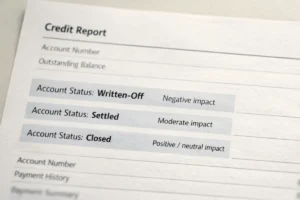
A strong credit score helps you get lower interest rates on future loans. Keep an eye on your credit usage, EMI records, and overall repayment history. You can use the Goodscore App to stay informed about your credit standing and avoid surprises.
Build an Emergency Fund
Savings are not only for long-term goals. A small emergency fund protects you from using your credit card for sudden medical or personal expenses. Even saving a little every month adds up over time and reduces dependence on credit.
Review and Adjust Monthly
Every month, evaluate your credit card bill and your savings progress. If card spending is rising, reduce it next month. If savings feel low, adjust and automate them. Small monthly checks help you stay in control.
Balancing credit cards and savings is not difficult. It just needs steady habits and simple rules.
Bas itna samajh lo , pehle bachaao, phir kharch karo. Credit card bhi smooth chalega aur savings bhi strong banengi. Financial life automatically sorted ho jayegi.