

When applying for a home loan in India, many applicants are advised by banks to add a co-applicant or guarantor. This usually occurs when income is insufficient, the credit score is low, or eligibility is limited. While both options appear similar, they differ significantly in terms of responsibility and risk.
Understanding this difference is important because a wrong choice can create long-term financial stress for you or your family member.
What Is a Co-Applicant in a Home Loan?
A co-applicant is a joint borrower on the home loan.
This means
- The loan is taken together
- Both names appear on the loan agreement
- Both incomes are considered for eligibility
- Both are responsible for repayment
Familiar co-applicants in India are
- Spouse
- Parents
- Earning children
Friends and distant relatives are typically not eligible to serve as co-applicants.
How a Co-Applicant Improves Home Loan Eligibility
Adding a co-applicant increases your loan eligibility because banks consider combined income.
This helps in
- Getting a higher loan amount
- Improving approval chances
- Getting better interest rates
For example, if your income alone qualifies for a ₹40 lakh loan, adding your spouse may increase eligibility to ₹70 lakh.
Isliye couples often apply together.
Risks of Being a Co-Applicant
Being a co-applicant also comes with responsibilities.
Risks include
- Full legal responsibility for repayment
- Credit score impact if EMIs are missed
- Loan shows on both credit reports
- Future loan eligibility may be reduced
Even if one person pays the EMI, both are equally liable in the bank records.
What Is a Guarantor in a Home Loan?
A guarantor is a backup payer, not a borrower.
This means
- Guarantor income is usually not counted
- The guarantor does not own the property
- The guarantor is responsible only if the borrower defaults
Guarantors are usually
- Parents
- Close relatives
Banks add guarantors when they want extra security.
Does a Guarantor Increase Loan Eligibility?
Usually, no.
A guarantor does not increase the loan amount as a co-applicant would. Their role is to reassure the bank that someone will step in if the borrower fails to pay.
Guarantor is more about risk cover, not income support.
Risks of Being a Guarantor
Many people become guarantors without understanding the risks.
Major risks include
- Liability if the borrower stops paying EMIs
- Recovery actions may target the guarantor
- Credit score damage if the loan turns irregular
- Difficulty in getting one’s own loans later
Kaafi cases mein guarantor ko bina warning ke problem aa jaati hai.
Key Differences Between Co-Applicant and Guarantor
Co applicant
- Joint borrower
- Income counted
- Full repayment responsibility
- A loan appears on the credit report
Guarantor
- Not a borrower
- Income is usually not counted
- Pays only on default
- Loan linked but not owned
Understanding this difference helps you make the right choice.
Who Should You Add as a Co-Applicant?
Add a co-applicant if
- The person has a stable income
- The person agrees to joint responsibility
- You want higher loan eligibility
- You plan to share ownership
A spouse as a co-applicant is the most common and safest option.
When Does a Guarantor Make Sense?
A guarantor is suitable if
- You already qualify for the loan amount
- The bank wants extra assurance
- The guarantor understands the risk clearly
Never pressure someone to become a guarantor.
Impact on Credit Score
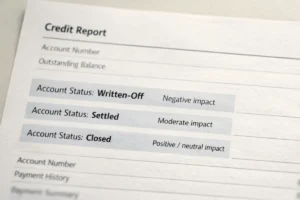
Both co-applicant and guarantor relationships affect credit reports.
- Missed EMIs affect both the borrower and the co-applicant
- Default can also impact the guarantor’s credit profile
- Future loan approvals may get delayed
Constantly monitor your profile and check your credit score regularly if you are on a joint loan.
Final Thoughts
Co-applicant and guarantor may sound similar, but their responsibilities differ significantly. A co-applicant shares the journey entirely, while a guarantor steps in only when things go wrong.
Before adding or becoming either, understand the risks, discuss openly, and plan long term—Thoda clarity aaj hogi, to kal problem nahi hogi.
FAQs
Does a guarantor’s credit score get affected?
Yes, if the borrower defaults or misses EMIs.
Can a guarantor later become a co-applicant?
Usually no. Loan structure does not change easily.
Is a spouse mandatory as a co-applicant?
No, but adding a spouse often improves eligibility.
Can I remove a guarantor later?
Only if the bank agrees and eligibility is reassessed.
Is a co-applicant always a property owner?
In most cases, yes, especially for a spouse.