

Starting your credit journey in India can feel confusing, especially when banks ask for a credit score you don’t yet have. Everyone begins with no credit history, and that’s completely normal. The good part is that building a strong credit profile from scratch is simple if you follow the proper steps. Once you get going, lenders start trusting you more, and future loans become easier and cheaper.
Here’s a beginner-friendly guide to help you build your credit history the right way.
Why Credit History Matters
Your credit history shows how you manage money. It tells banks:
- Do you pay on time?
- Do you handle credit responsibly?
- Can you be trusted for bigger loans in the future?
A good credit history helps you get personal loans, home loans, and car loans, and can lead to better credit card limits. It also gets you better interest rates because lenders see less risk.
Start With a Secured Credit Card
If you have no credit history, most banks may not offer a regular credit card immediately. A secured credit card is the easiest way to begin.
- You deposit a small fixed deposit.
- The bank gives you a credit card against it.
- Use it for small monthly expenses, such as groceries or mobile recharges.
- Pay the full bill on time every month.
Within a few months, your credit history starts forming, and your score begins to grow.
Get a Small Credit Line
Many digital apps and fintech platforms offer small lines of credit to help beginners build credit. Use it for simple expenses and clear payments on time. Regular activity builds your track record.
Keep Your Credit Usage Low
Don’t use the full limit available. Try to keep your spending below 30 percent of your card limit. This shows lenders that you know how to manage your expenses and do not rely entirely on credit to meet your monthly needs.
Always Pay On Time
Timely payment is the most important habit for a good credit history. Even a single late payment can appear in your report and slow your progress. Set up auto-debit or reminders so you never miss a due date. These small habits help you build trust with lenders.
Avoid Applying for Too Many Loans
Multiple applications in a short time create unnecessary enquiries on your report. This makes you look credit-hungry. Start small, build slowly, and let your history grow naturally.
Track Your Credit Report Regularly
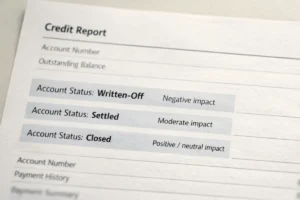
As your credit history grows, check your credit report to see how you are doing. This helps you spot mistakes early and understand what affects your score. You can use a credit score tracking platform to monitor your CRIF score and understand your overall credit health.
Be Consistent for a Few Months
Building a credit history does not take years. With consistent and responsible behaviour for 6 to 12 months, your profile becomes strong enough for banks to trust you. A clean and steady track record is the key to getting better credit cards and loans later. Bas itna samajh lo — credit history banana mushkil nahi. Thoda discipline, time par payment, aur clever use karoge to score naturally strong banega.