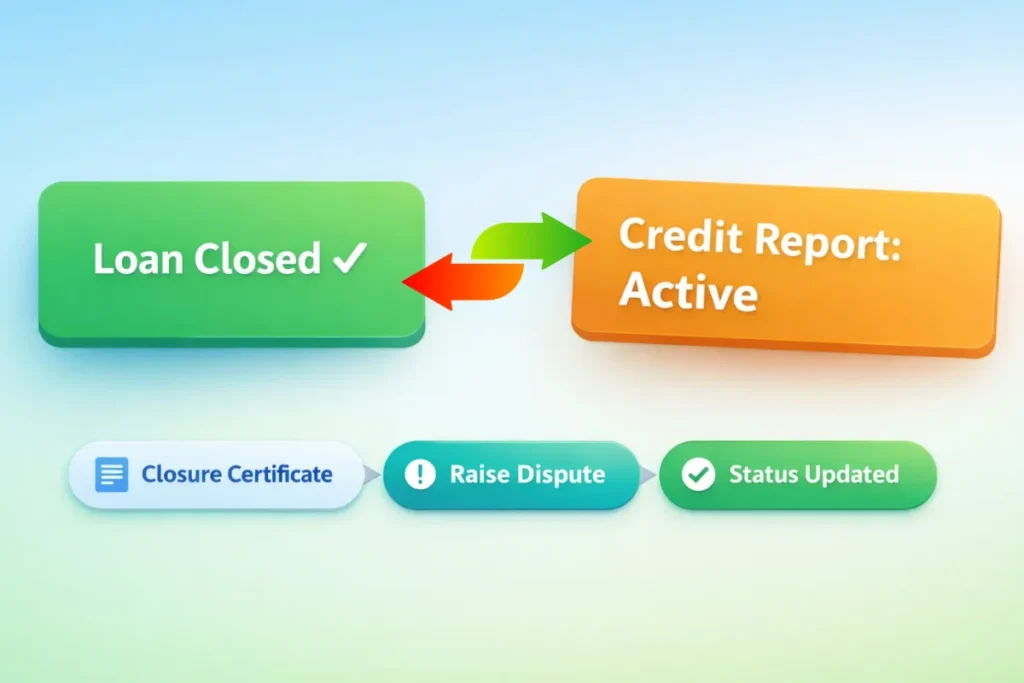
You have closed your loan and it is still showing as active in your credit report. Sounds familiar? In most cases this is not an error if you are checking your credit report immediately after closing your loan account as it may remain active in your report for up to two reporting cycles.
This happens because the lender may have not yet reported the loan closure to the bureau. If it remains unresolved even after two update cycles you can raise it with the lender first, then with the credit bureau. Under RBI rules, the complaint should be resolved within 30 days.
If the status remains unchanged, it could be due to a reporting lag or a genuine error. The details below explain why a closed loan can still show as active.
Why a closed loan can still show as active
The most common reason for this is that the reporting cycle has not caught up. Your report shows what the lender last sent to the bureau. If the loan closes after the most recent reporting date, or the bureau has not finished processing the lender’s file, the account will still look active until the updated status is shared by the lender.
Another reason is a possibility that a small amount is still outstanding. A last-month interest adjustment, a bounce charge, a late payment fee or foreclosure charges can leave a few hundred rupees unpaid. The lender then keeps the account open, and it may even start showing days past due in your credit report.
The most serious concern for this is the lender reporting your account status incorrectly. The closure may have been processed in the lender’s system but sent to the bureau with the wrong status or date, or not sent at all. This is more common when a loan is foreclosed early, transferred to another lender or closed through a balance transfer.
Many times, settlement is also confused with closure. If you agree to a settlement, the lender will report the account as settled, not closed. If you thought you had repaid in full but the lender treated the payment as a settlement, the status will not match what you expected.
How often lenders update the bureaus
From 1 July 2026, under RBI’s Credit Information Reporting Amendment Directions, 2025, lenders are required to report to the bureaus on four dates each month: the 9th, 16th, 23rd and the last day of the month.
The move was directed to make CIC reporting more transparent, avoid delays in updating the customer account status and also allow consumers to spot errors and get them rectified in a timely manner.
The three mid-month submissions cover accounts that have changed, including loans that have closed, and are due within four calendar days of the reference date. The month-end submission is a full file of all active accounts and accounts closed since the last report, due by the 5th of the following month. The bureaus then process the data and update reports.
A loan closed today should usually show as closed within one to two weeks, and almost always within a month.
Step-by-step: How to Get Loan Account Status Corrected
- Collect your proof: Gather the NOC or no-dues certificate, the closure letter, a final statement showing a zero balance, and the receipt for your last payment.
- Contact the lender: Write to the lender’s customer care, by email or through its app directly, and attach your proof. Ask it to report the account as closed to all four bureaus and to give you a complaint reference number. If you get no response, escalate to the lender’s grievance redressal officer or principal nodal officer.
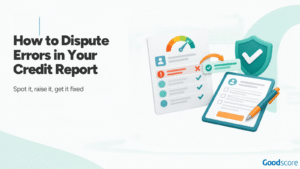
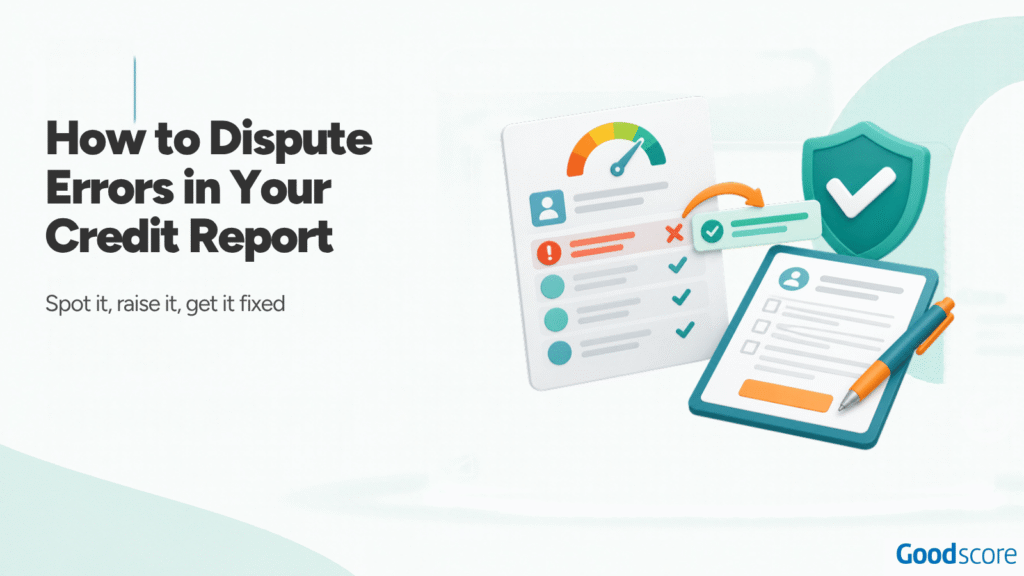
- Raise a dispute with the credit bureau: You can do this alongside your complaint to the lender or after it. Each bureau has an online dispute form. Select the loan, choose the incorrect status or balance, and attach your proof. The bureau will send the dispute to the lender. If the error appears with more than one bureau, raise it with each one.
- Track it: Note the dispute ID and the date you raised it. Check the status on the bureau’s website, and download a fresh report once the bureau tells you the dispute is resolved.
Documents to keep after closing any loan
Keep these documents for every loan you close, both on paper and as digital copies:
- NOC or no-dues certificate from the lender
- Loan closure letter
- Final loan statement showing a zero balance
- Receipt for your last payment, or the bank statement entry showing it
- Confirmation that the NACH or ECS mandate has been cancelled, so no further debits are made
- For secured loans, confirmation that original property documents have been returned and any charge or lien released, and for vehicle loans, the form to remove the hypothecation from your registration certificate
You can raise and track credit report disputes in the GoodScore app.
FAQS
The most common reasons are that the lender has not reported the closure yet, a small amount such as a charge or interest adjustment is still outstanding, or the lender reported the account incorrectly. If the loan closed within the last few weeks, wait for the next reporting cycle. If it has been longer, contact the lender with your NOC.
Usually one to two weeks. Since 1 July 2026, lenders report to the bureaus as on the 9th, 16th, 23rd and last day of each month, with mid-month updates due within four days. If the loan still shows as active a month after closure, start the correction process with the lender and the bureau.
The NOC or no-dues certificate is the main document. Also keep the closure letter, the final loan statement showing a zero balance, and the receipt or bank statement entry for your last payment. Keep digital copies of all of them, because you may need them for a dispute long after the loan has closed.
Start with the lender, because it is the source of the data and the only one that can change it. You can raise a dispute with the bureau at the same time or if the lender does not act. The bureau will pass the dispute to the lender and update your report once the lender confirms the correction.
Under RBI’s compensation framework (RBI/2023-24/72), a complaint about credit information should be resolved within 30 calendar days of when you first filed it. The lender has 21 days to send corrected data to the bureau, and the bureau has the remaining time to update your report. Delays beyond 30 days attract compensation.
Yes. If your complaint is not resolved within 30 days, you are entitled to ₹100 for each calendar day of delay, paid by the lender, the bureau or both depending on who caused it. It is credited to your bank account within five working days of resolution. Some complaints, such as disputes over score calculation, are excluded.
It may. Once the loan is marked closed, it no longer counts as an outstanding obligation, and lenders see a completed loan in your history. How much your score changes depends on the rest of your credit profile, so there is no fixed improvement. The bigger benefit is often a better chance of approval for new credit.
If the lender merged with another, contact the successor, which takes over its records and reporting. If it has shut down or you cannot reach anyone, raise a dispute directly with the bureau and attach your closure documents. If the problem is still not resolved after 30 days, you can complain to the RBI Ombudsman at cms.rbi.org.in.
Yes. A lender reviewing your application may treat the loan as an existing debt and include its EMI in your obligations, which reduces how much you can borrow. If it also shows overdue amounts, your application could be declined. Check your report before applying, and get any error corrected first.
GoodScore can help you raise a dispute and track it through to resolution. You can also raise a dispute directly with the lender or with each credit bureau. Whichever route you choose, keep your NOC and closure documents ready, because the lender will need them to confirm the correction.